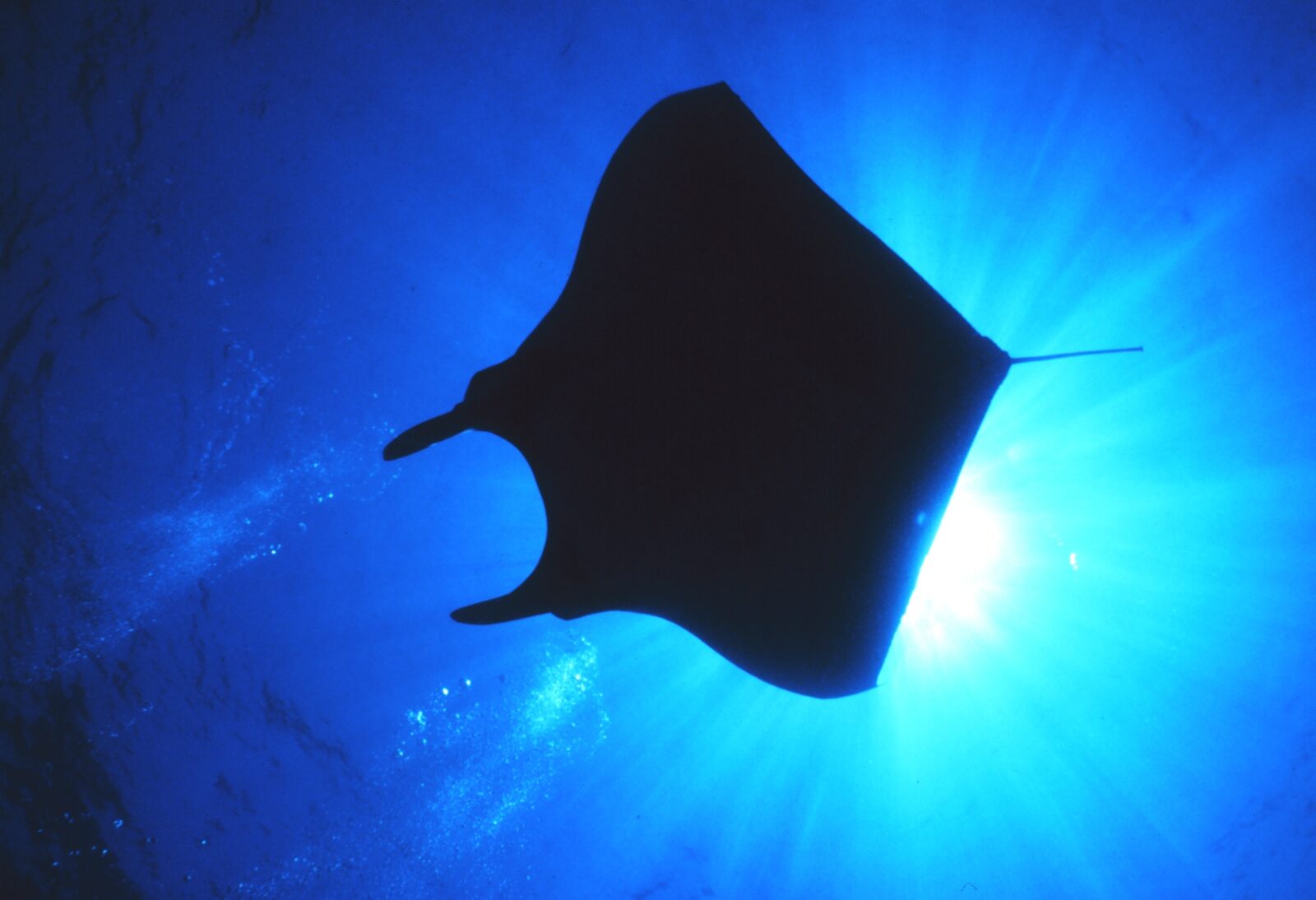
Shark conservation is starting to look less like a slogan and more like legislation. At the Our Ocean Conference in Mombasa, the governments of Madagascar and Zanzibar announced new national protections for dozens of shark and ray species — a move that tests whether global trade rules can be translated into domestic enforcement on the water.
The near-term numbers are striking. Madagascar said it will grant full national protection to 14 shark and ray species under its Wild Fauna Decree, while Zanzibar said it will protect 34 species in its coastal waters, according to Wildlife Conservation Society and Oceanographic Magazine.
Those announcements come after a sweeping set of decisions at the 2025 CITES Conference of the Parties (CoP20), where countries adopted proposals covering more than 70 shark and ray species and brought 96% of the global shark fin trade under international regulation, according to Oceanographic Magazine. The policy question now is whether that paper framework can be made real in ports, markets and fishing grounds — especially in regions where monitoring capacity is thin.
Why domestic law matters
For decades, shark and ray exploitation was driven not only by fishing pressure but by a gap between supply chains and governance: international demand met weak oversight. Today’s regulatory picture is changing quickly, but not evenly.
“The actions taken by the Madagascar government to protect these species, among other positive actions, comes at a time when sharks and rays need conservation efforts more than ever,” Ravaka Ranaivoson, Partnership and Program Development Director for WCS Madagascar, said in remarks reported by Oceanographic Magazine.
WCS framed the same shift as part of a broader wave of African ocean commitments at Our Ocean — from new marine protections to climate-resilient coral reef action — and argues the next phase is converting declarations into operational capacity at sea, according to WCS.org.
Trade rules, enforcement, and the “compliance gap”
International listings can constrain trade, but the hard work is local: landing sites, species identification, paperwork, inspections, and prosecutions. “This rapidly accelerating global framework of laws, coupled to enforcement and local level conservation action gives us hope we can end the declines of the last half century, and start these ancient predators on the long road to recovery,” Luke Warwick, Senior Director of Threatened Marine Species at WCS, said in comments reported by Oceanographic Magazine.
There is an instructive parallel in the plastics debate: ambition is easy to write; compliance is hard to finance. In a statement to the first Intergovernmental Negotiating Committee for a plastics treaty, IUCN urged countries to adopt “clear, preferably numerical and verifiable objectives” and to pursue the “ultimate goal of stopping plastic pollution worldwide by 2030,” according to an IUCN statement hosted on the UNEP Resolutions Portal. That same logic applies to wildlife protections: the policy must be measurable, resourced, and enforced — or it remains performative.
OceanVines Spotlight
For OceanVines, conservation wins only count when they become lived reality for coastal communities — and when the next generation knows how to defend them. Our mission is to illuminate the inner sparks of every life we touch through our efforts in ocean conservation and education. Whether the subject is sharks, coral reefs, or plastic leakage, the thread is the same: stewardship requires skills, science, and sustained attention.
What investors and policymakers should watch next
For the blue-economy community, the immediate watchpoints are pragmatic: whether Zanzibar’s and Madagascar’s protections are paired with monitoring budgets; whether enforcement agencies receive training and equipment; and whether market controls tighten for products that have historically moved through informal channels.
The bigger implication is that the ocean’s governance story is shifting from headline pledges to implementation details — where outcomes are decided. The next benchmark is not how many species are listed or protected on paper, but whether populations stabilize in the water.
Together, we celebrate The Greatest Good.