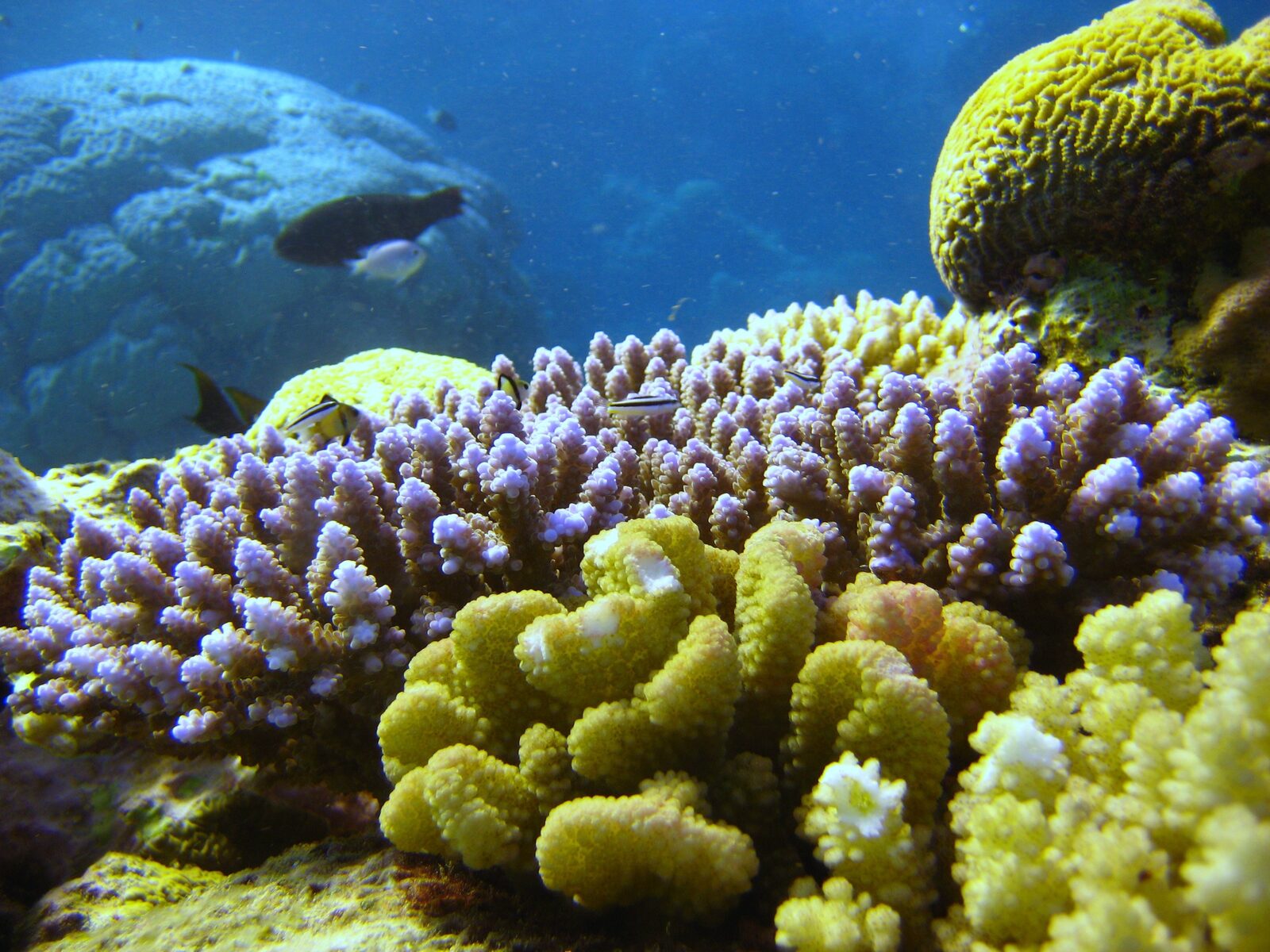
A new machine-learning analysis argues that coral reefs still have a meaningful future — but only if protection and financing arrive faster than heat stress. The study compiles 45,064 field observations and projects a global, 250-metre-resolution view of where reefs may persist through 2050, identifying 165,922km² of potentially climate-resilient reef locations across 71 countries and 100 territories and jurisdictions (EcoEvoRxiv preprint). The headline number is large enough to change policy discussions — and specific enough to embarrass them.
In conservation finance terms, the result is a targeting tool: it narrows a diffuse crisis into a set of coordinates where money, management capacity, and local partnerships can plausibly protect biodiversity and the livelihoods tied to it. UNEP’s World Conservation Monitoring Centre has long warned that funding flows lag the economic value at stake; its analysis notes that coral reefs provide services worth about US$375 billion each year (UNEP-WCMC).
From “all reefs” to “which reefs”
Coral reef coverage is small — less than 1% of the ocean floor — but the ecosystem footprint is enormous. UNEP-WCMC estimates reefs support roughly 25% of marine life (UNEP-WCMC). That disparity is why reefs have become a litmus test for whether ocean stewardship can keep pace with climate change.
The new modelling expands on the “50 Reefs” assessment published in 2018, widening the set of geographies and updating the inputs with decades of real-world reef observations. In the Oceanographic report that previewed the work at the Our Ocean Conference, the authors describe a map “10,000 times more detailed” than predecessors — a claim anchored in the jump to 250-metre resolution and a global set of predictors spanning climate, biophysical conditions and human pressure (Oceanographic Magazine; EcoEvoRxiv preprint).
For investors and policymakers, the most important shift is conceptual: the question is no longer whether reefs are threatened — it is which reefs have a plausible pathway to persistence, and how quickly local stressors can be reduced around them.
What the map says — and what it implies
The preprint reports that more than half of the identified resilient habitat (61%) sits inside five countries with extensive reef systems — the Bahamas, Cuba, Australia, Indonesia and the Philippines (EcoEvoRxiv preprint). That concentration cuts two ways: it suggests large conservation wins are possible with a smaller set of national decisions, but it also means failure in a handful of jurisdictions would reverberate globally.
The Oceanographic summary places another figure alongside the 165,000km² headline: it reports that only around 28% of identified priority reefs currently fall within protected or conserved areas, leaving more than 119,000km² outside existing frameworks (Oceanographic Magazine). That is the policy gap the map is designed to make visible.
Voices pushing “science into action”
“Coral reefs are often framed as ecosystems beyond saving, but this research shows that there is a global set of reefs that have the potential to survive and recover from the climate crisis.” — Dr. Emily Darling, Director of Coral Conservation, Wildlife Conservation Society, quoted by Oceanographic Magazine
Darling’s argument lands on a practical point: hope is only valuable if it changes where governments and donors put enforcement budgets, pollution controls, and coastal zoning.
“Without urgent investment in management, sustainable financing, and partnerships with the communities who depend on these reefs, they will remain at risk.” — Petra MacGowan, Director of Coral Reef Partnerships, The Nature Conservancy, quoted by Oceanographic Magazine
In other words: a higher-resolution map does not reduce risk by itself. The work still has to be done where reefs meet people — in fisheries management, wastewater systems, and the politics of coastal development.
OceanVines exists “to illuminate the inner sparks of every life we touch through our efforts in ocean conservation and education.” A high-resolution picture of coral resilience is also a high-resolution picture of responsibility: if science can show where reefs may endure, educators and community partners can help ensure those places get the stewardship they need — in Asia, and across the reef nations the model highlights.
A note on certainty
The underlying research is published as a preprint and is not yet peer reviewed (EcoEvoRxiv). But the direction of travel is clear: ocean conservation is becoming more data-driven, more location-specific, and more accountable. That is good news — because it also makes it harder to say we did not know where to start.
Together, we celebrate The Greatest Good.