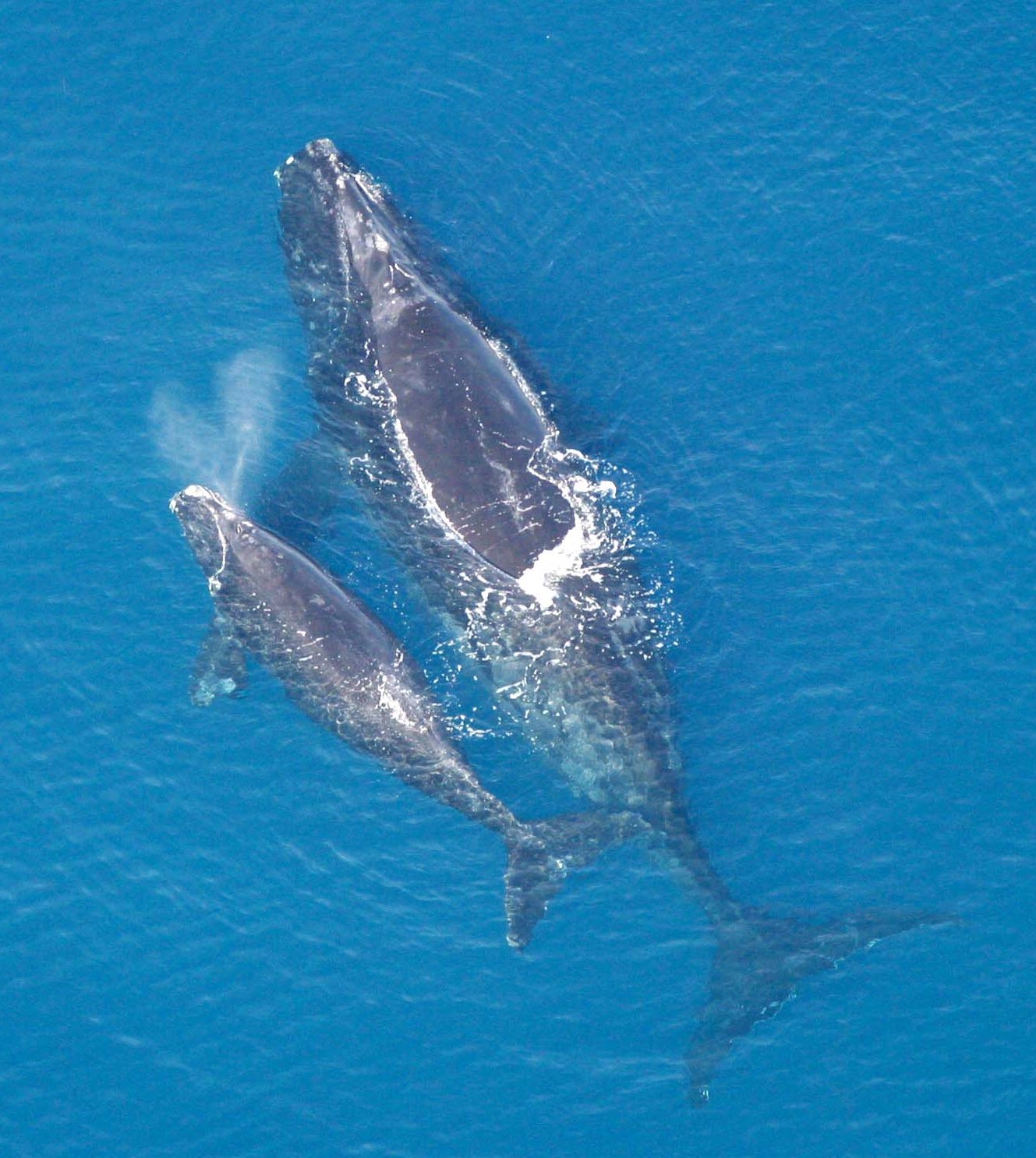
In whale conservation, the highest-leverage interventions are increasingly upstream: change the gear, change the routing, and instrument the ocean so vessels and fisheries can see risk before it becomes an incident.
NOAA Fisheries’ Greater Atlantic Region has put the entanglement problem into a single operational sentence: “Removing persistent buoy lines from the water in U.S. fisheries is the most effective tool NOAA Fisheries has to reduce entanglements.” (NOAA Fisheries)
That statement matters because it reframes the trade space. The goal is no longer only to build faster rescue capacity; it is to reduce the number of vertical lines in the water column in the first place, using on-demand (sometimes called ropeless) systems that keep buoys and buoy lines out of the water until retrieval (NOAA Fisheries).
In parallel, NOAA’s vessel-strike mitigation playbook is becoming more data-driven. Right Whale Slow Zones—temporary, dynamic areas where mariners are asked to slow—can be triggered by both visual sightings and acoustic detections, and NOAA notes these slow zones are designed to reduce collision risk when whales are present (NOAA Fisheries).
The formal speed rule remains blunt but measurable: NOAA says most vessels 65 feet or longer must travel at 10 knots or less in Seasonal Management Areas along the U.S. East Coast at certain times of year, and encourages smaller vessels to slow voluntarily (NOAA Fisheries).
When mitigation fails, response is still essential—but it is high-risk, specialised work. “This workshop demonstrates NOAA Fisheries’ commitment to protected species. The Howard Lab at Sandy Hook was an ideal place to bring partners from the New York/New Jersey area together because of our location in the mid-Atlantic Bight and the recent increase in humpback whale activity in the area,” said Jim Vasslides, director of the James J. Howard Marine Sciences Laboratory, in a NOAA Fisheries training update (NOAA Fisheries).
The same NOAA update attaches hard numbers to what is often treated as anecdote: it reports an average of 26 large whale entanglements per year in the Greater Atlantic region (2007–2025) and 73 per year nationwide over the same period, underscoring that prevention must scale beyond ad hoc rescue (NOAA Fisheries).
From an ocean-stewardship perspective, the policy challenge is to make prevention compatible with working fisheries. NOAA’s on-demand gear roadmap acknowledges that regulations must change before systems can be used routinely, and that enforcement practices will have to evolve as surface markings disappear (NOAA Fisheries).
For research institutions, the direction of travel is similar: keep moving from post-incident diagnosis to real-time risk detection. Woods Hole Oceanographic Institution’s public-facing right whale FAQ summarises the biology-and-economics bind in one number—fewer than 340 right whales remain—and points to the stress load from life-threatening entanglements (Woods Hole Oceanographic Institution).
OceanVines exists to illuminate the inner sparks of every life we touch through our efforts in ocean conservation and education.
The investable theme is not the drama of disentanglement. It is the unglamorous infrastructure—gear engineering, detection networks, compliance dashboards, and trusted data standards—that can prevent one of the most visible failures of ocean management.
Together, we celebrate The Greatest Good.
#TheGreatestGood #OceanConservation #HumanityMatters #LIT #Whales #Bycatch